In a significant move for the global gaming landscape, Tencent, the Chinese technology and media conglomerate, has officially confirmed its acquisition of the publishing rights for the immensely popular battle royale title, PlayerUnknown's Battlegrounds (PUBG), within mainland China. This partnership marks a pivotal step for Bluehole Studios' hit game to enter one of the world's largest and most regulated digital markets. The announcement, made in late 2025, underscores the complex process of adapting international gaming content to meet China's stringent regulatory and cultural standards. Tencent has explicitly stated that the game will undergo specific modifications prior to its official launch in the country to ensure compliance with local laws and align with national values.
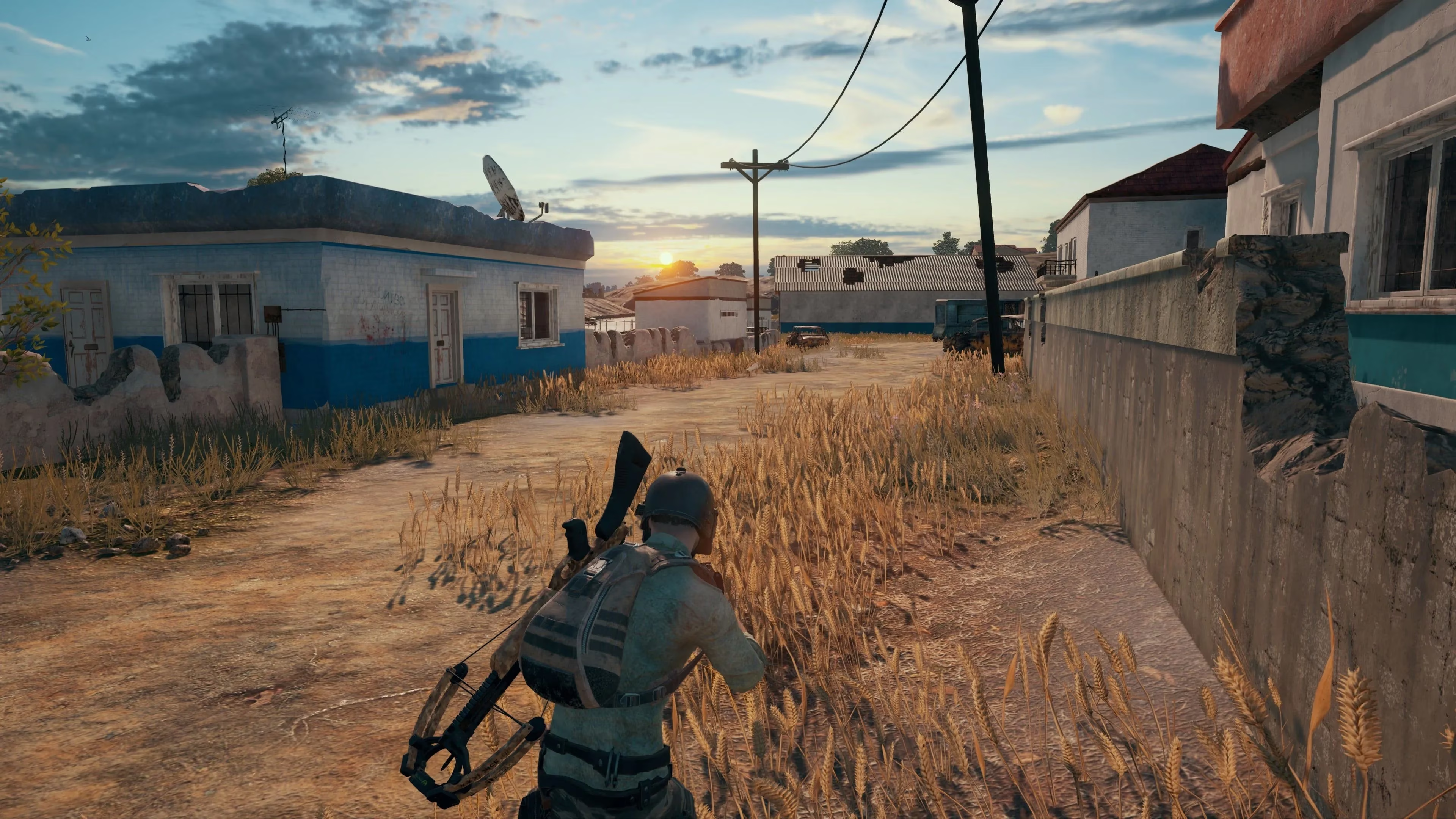
The core challenge, as outlined by Tencent, revolves around aligning the game's content with China's media regulations. Authorities maintain tight controls over content deemed to conflict with "socialist core values, traditional Chinese culture, and moral norms." Given PlayerUnknown's Battlegrounds' central premise of player-versus-player combat and its visceral depiction of violence, certain adjustments are deemed non-negotiable for market entry. While Tencent has not released a detailed public list of all planned changes, industry analysts and previous precedents with other shooters in China point toward several predictable alterations. 😮 The most prominent modification is expected to involve the game's depiction of blood and gore.
Speculation from gaming insiders suggests that the visual feedback from combat will be heavily sanitized. This could range from the complete removal of blood splatter effects to changing its color to a less realistic hue, such as green or simply removing it entirely, leaving only hit markers. Furthermore, character death animations might be softened, with defeated players perhaps performing a less violent 'exit' animation or simply disappearing in a puff of smoke. The overarching goal is to diminish the realistic and graphic nature of the violence while preserving the core strategic and survival gameplay loops that have made the title a global phenomenon. 🎮
The collaboration between Bluehole Studios (now part of Krafton) and Tencent represents a fascinating case study in cross-cultural game development. Tencent, with its vast experience in operating titles like Honor of Kings and Peacekeeper Elite (the Chinese version of PUBG Mobile), brings crucial expertise in navigating the local regulatory landscape. The partnership likely involves close technical cooperation to implement these client-side changes specifically for the Chinese release, potentially creating a forked version of the game. This ensures that the global version remains unchanged while a tailored product serves the Chinese audience. The success of this model was previously demonstrated with PUBG Mobile, which has operated successfully in China for years under the title Game for Peace.
Looking at the broader market context in 2026, the official PC release of PlayerUnknown's Battlegrounds in China comes at a time when the battle royale genre remains intensely popular, yet the platform landscape has evolved. The game's journey from its explosive Early Access debut on Steam nearly a decade ago to a curated console and mobile presence highlights its enduring appeal. Tencent's involvement signals a commitment to bringing the definitive PC experience to Chinese gamers through official, licensed channels, which could help combat piracy and unregulated servers. This move also strengthens Tencent's portfolio in the competitive hardcore PC gaming segment, complementing its dominance in mobile gaming.
For Chinese gamers, this announcement is met with a mix of anticipation and curiosity. The community is eager to experience the original PC version with optimized servers and official support, potentially offering a more stable and fair competitive environment. However, the confirmed alterations to game content are a point of discussion. Some players express understanding, acknowledging the necessity of compliance, while others wonder how these changes might affect the game's tension and atmosphere. The key will be whether Tencent and Krafton can strike a balance that maintains the thrilling, high-stakes gameplay that defines PUBG while adhering to regulatory frameworks. Ultimately, this partnership is a testament to the game's lasting legacy and the intricate processes behind global game localization in today's interconnected yet regulated digital world.
Comments